Custom EVA violin case,
that treats wood like an investment.
A $2,000 violin dies in a $50 case. The Concert Shell changes the math: a body cavity molded so the bridge touches nothing, bows suspended on spinners, a hygrometer watching the microclimate, rosin and strings in their own compartments. Crush-proof, climate-buffered, tuned like the instrument inside. This case doesn't just carry a violin — it protects the investment.
- Suspended bridge cavity
- Bow spinner holders
- Built-in hygrometer
- Custom MOQ 1,000 pcs
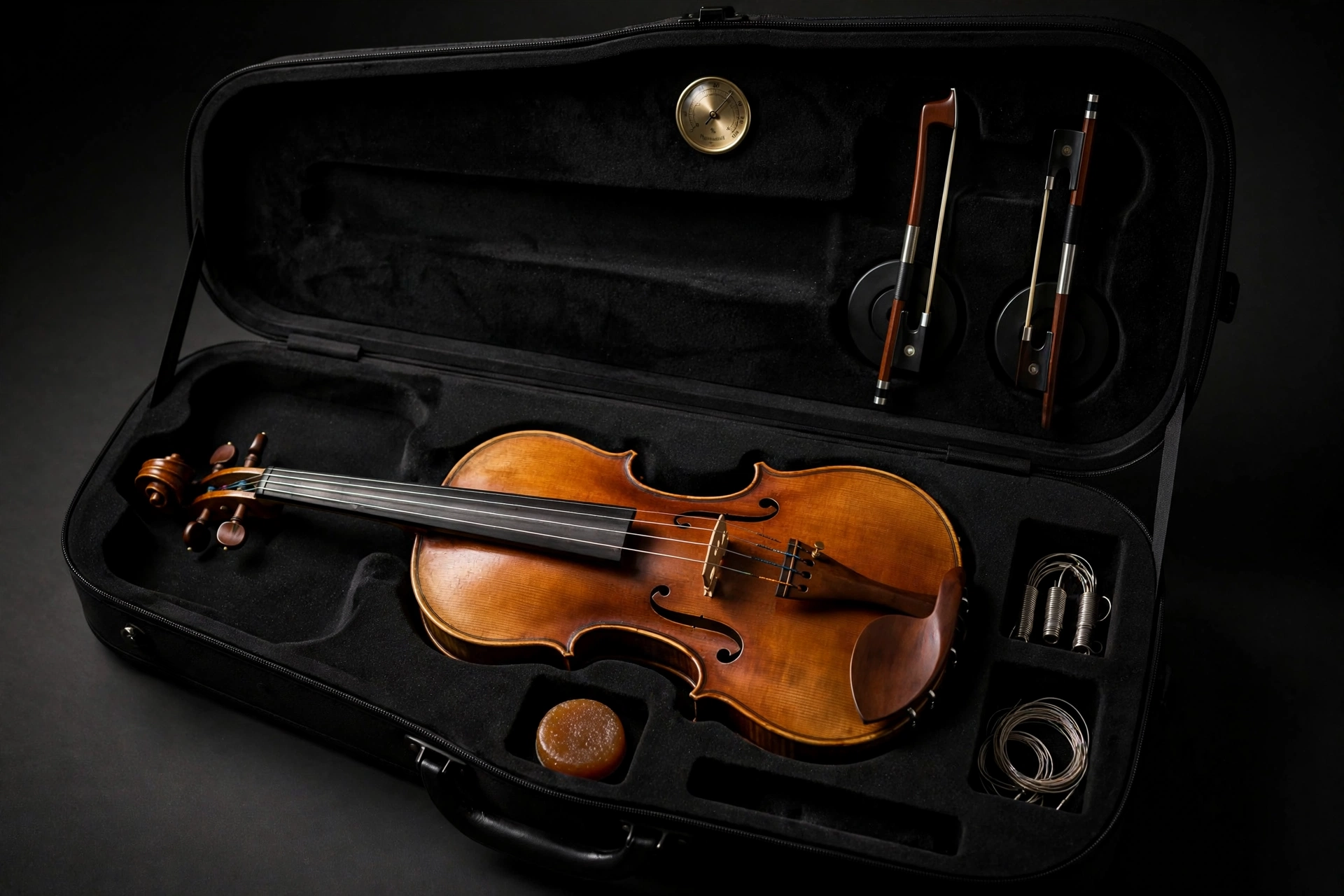
The four ways instruments
die in bad cases.
An instrument case has one job: the instrument comes out playable. Most fail it slowly — then all at once.
"The bridge collapses in transit."
One hard knock and the bridge — the soul of the tone — cracks. Our answer: a suspended bridge cavity — the bridge hangs over a recess and touches nothing, ever.
"The bow snaps against the lid."
Bows rattling loose break at the tip — a $200 stick gone. Our answer: spinner holders — each bow locked, suspended above the lining, zero movement.
"Humidity swings kill the varnish."
Dry cargo holds crack wood; damp ones lift varnish. Our answer: an embedded hygrometer plus a sealed EVA shell — the microclimate stays watched and buffered.
"Accessories rattle around loose."
Rosin, spare strings, tuners — loose in the case they scratch the varnish. Our answer: every accessory gets a compartment — nothing touches the instrument but lining.
Pull it apart.
See what you're paying for.
Four layers. Tap each number — every layer answers one of the seven fit-engineering questions: volume, size, protection, rattle, lift, scratch, static.
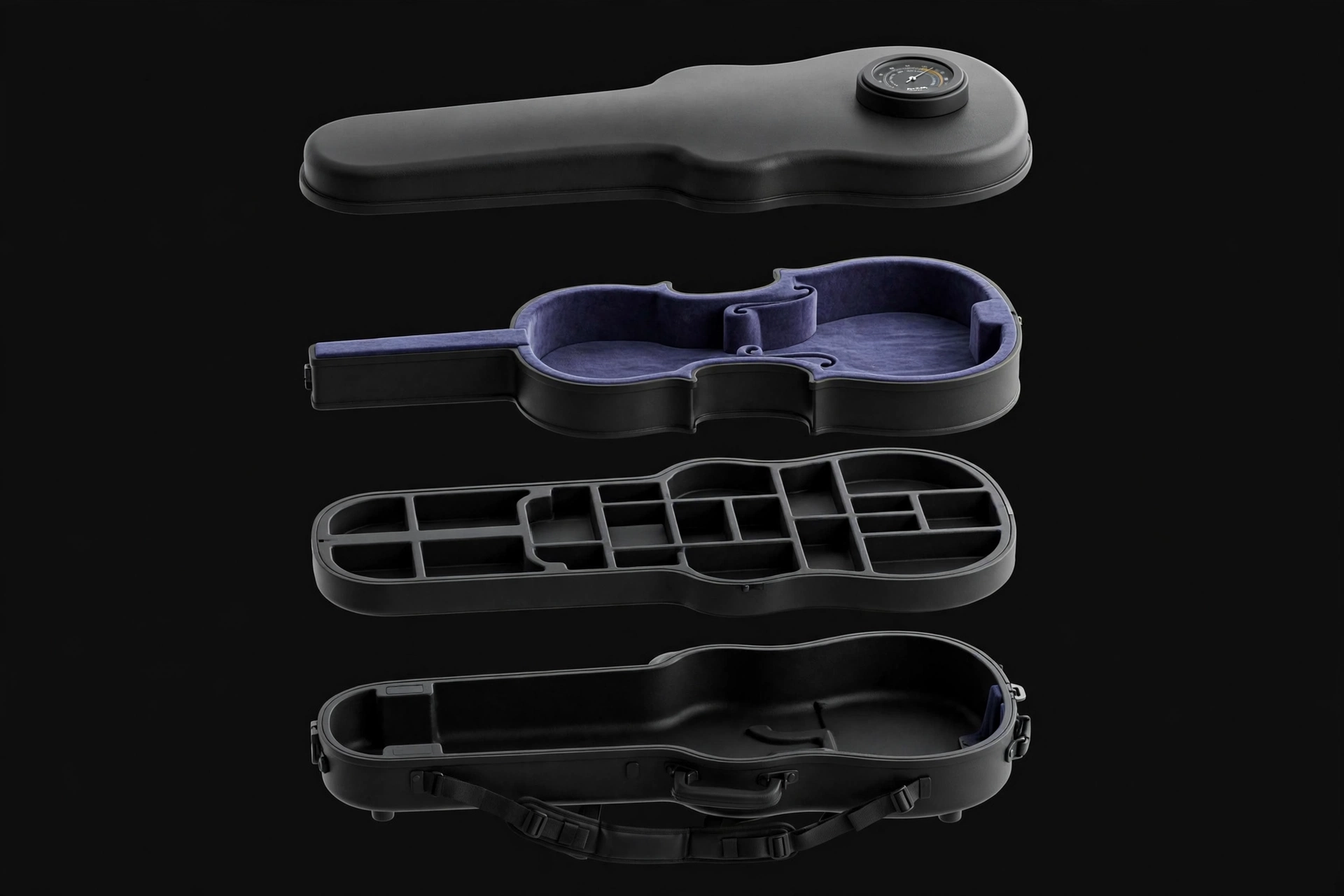
1 · Top shell
The armor. Molded black EVA — rigid, crush-proof, debossed with your brand. Baggage-belt pressure stops here.
The details musicians pay extra for.
Three close-ups. A gig bag is the baseline — these are the details that make it a concert shell.
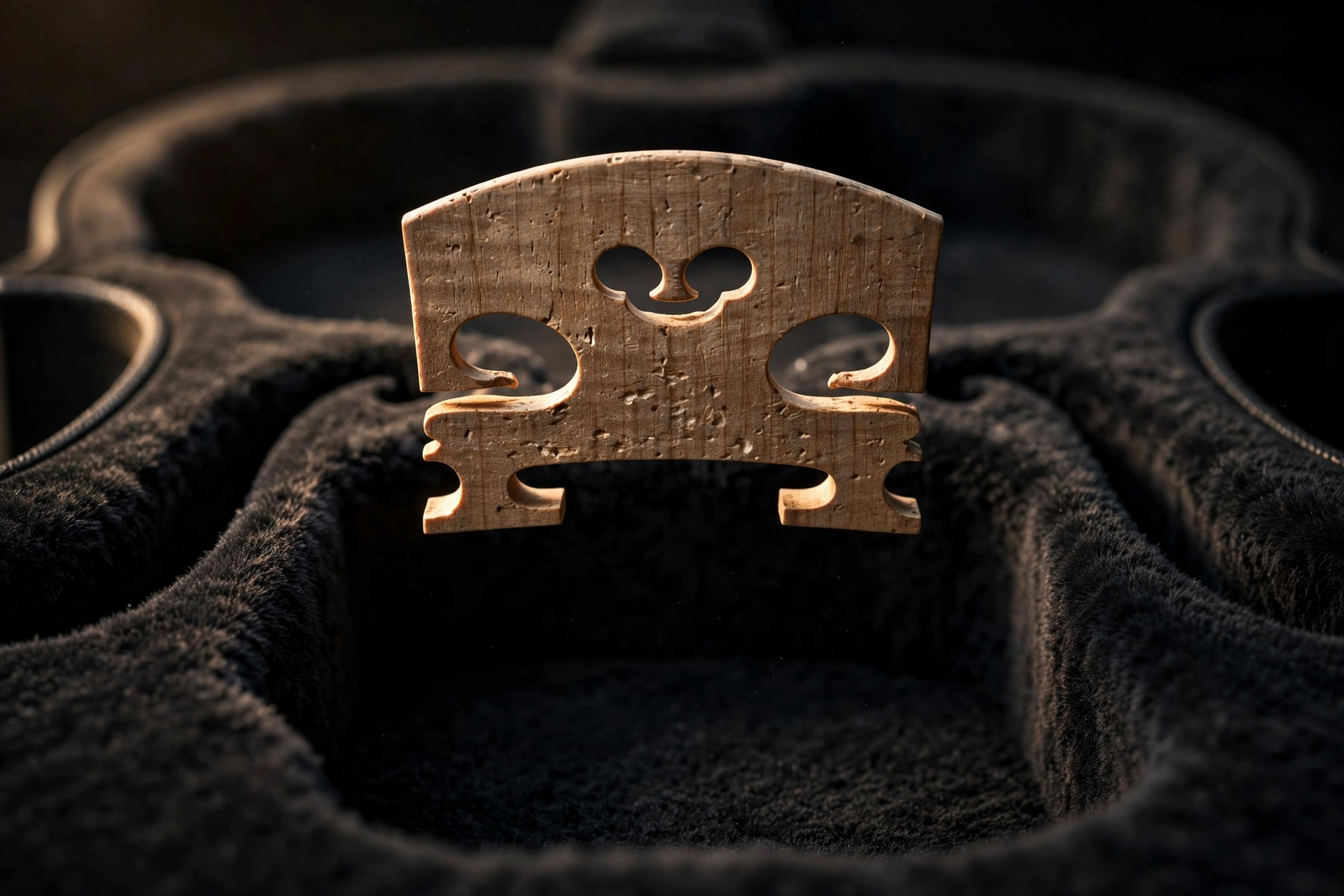
Suspended bridge — touches nothing
The mechanism is the moat. The body cavity is molded so the bridge hangs over a recess — no pressure, no shock, no cracked tone. The setup survives the trip exactly as it left.
- Bridge over a recess — zero contact
- Strings stay tensioned
- Setup true on arrival
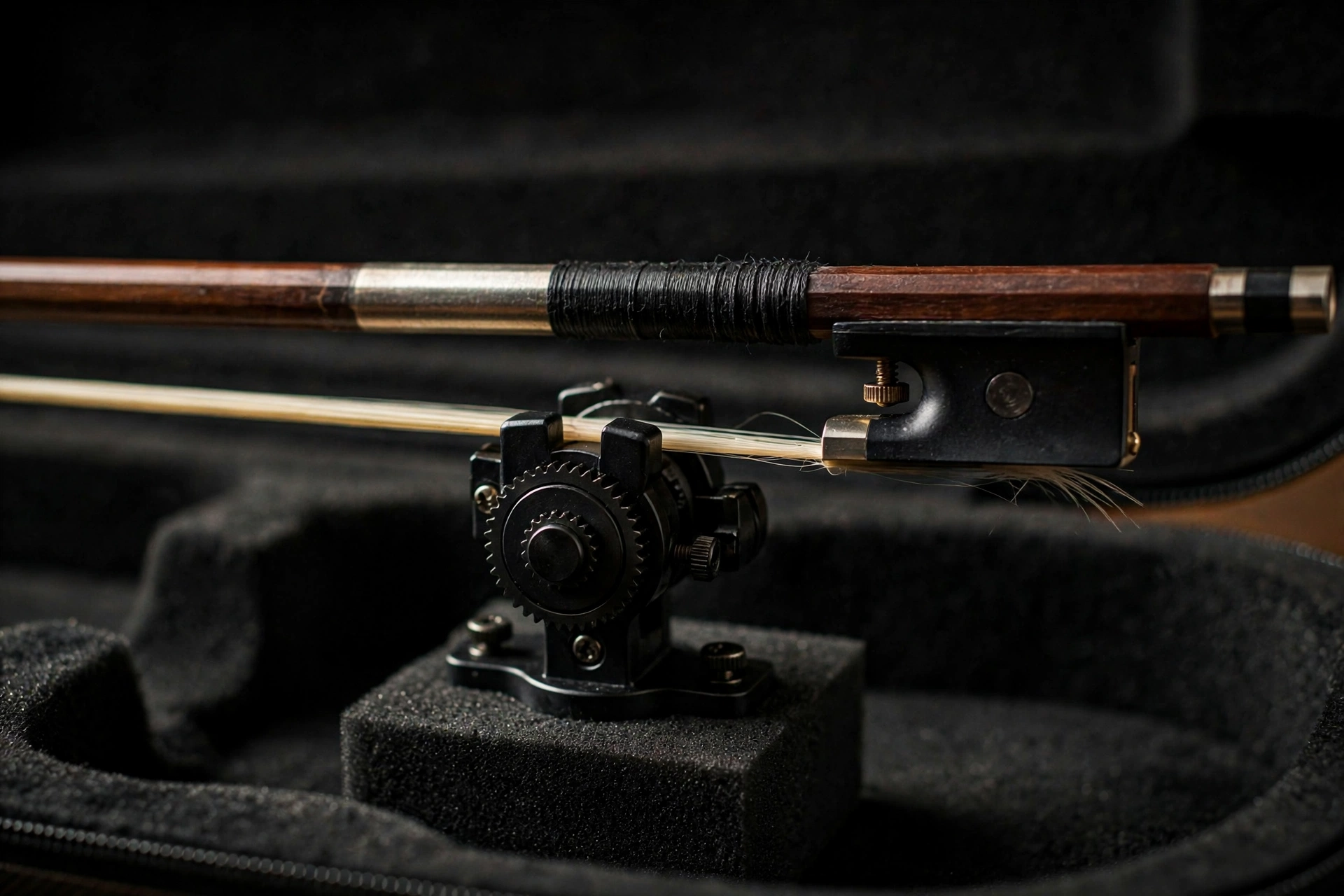
Bow spinners — suspended, never snapped
Each bow locks into a rotating spinner — suspended above the lining, zero movement, zero lid contact. A $200 stick rides like it's in a vault.
- Locked spinners — no rattle
- Suspended above the lining
- Tip never touches the lid
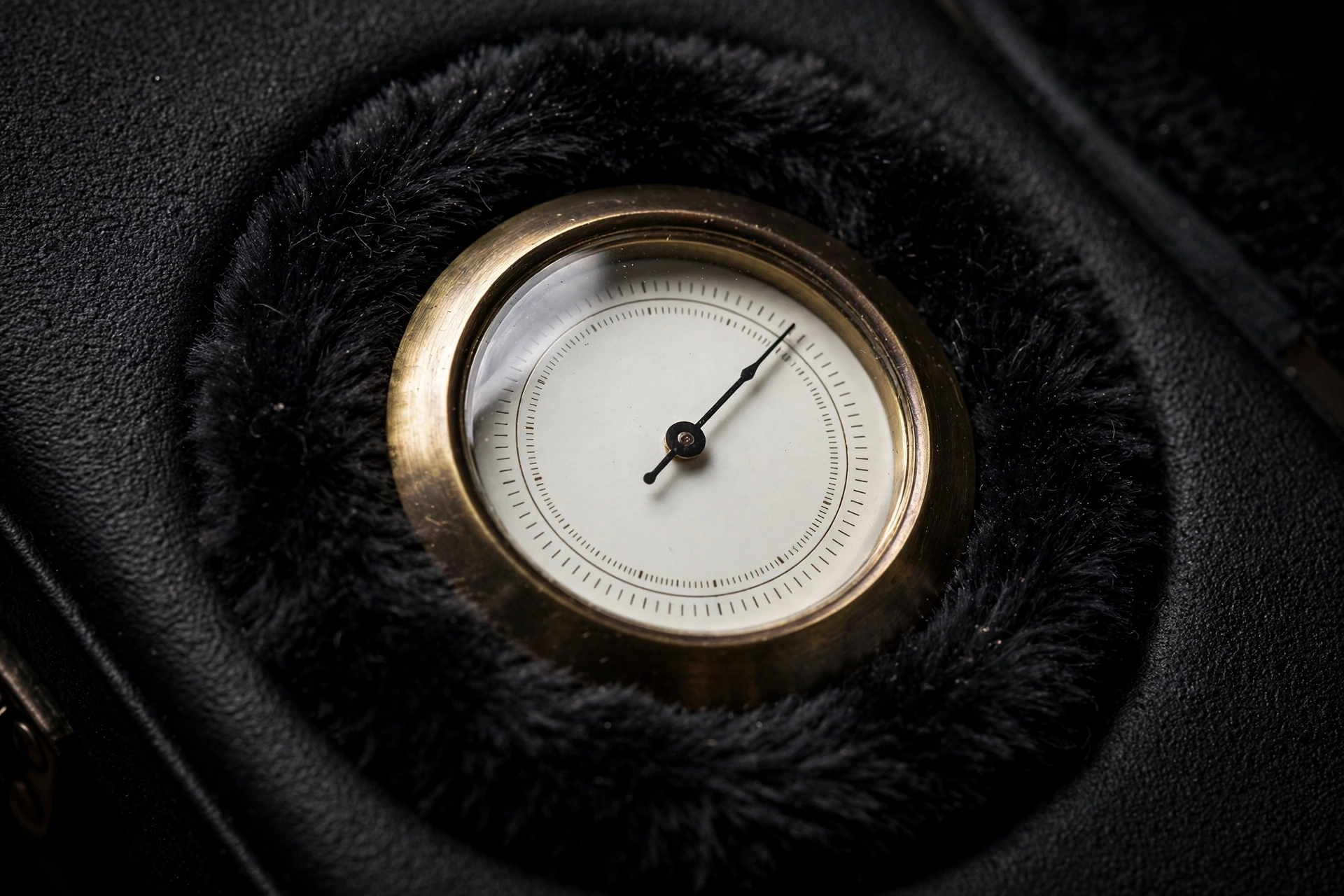
Hygrometer — climate under watch
Wood moves with humidity — and varnish remembers. An embedded hygrometer watches the microclimate while the sealed EVA shell buffers the swings.
- Readable without opening
- Sealed shell buffers swings
- Varnish stays stable
Picked to protect
wood and varnish.
Every material here serves one master: the instrument that must come out playable.
- Shell — molded EVA, hard
- Why: the armor. Rigid molded EVA — crush-proof, water-resistant, climate-buffering. The instrument never feels the cargo hold.
- Cavity — molded EVA insert
- Why: the fit. Molded to your instrument's body — bridge suspended, bouts cradled, plush lining, zero varnish abrasion.
- Lining — plush, non-abrasive
- Why: the varnish demands it. Soft plush against the wood — no micro-scratches, no polish haze.
- Hardware — bow spinners, hygrometer
- Why: the details musicians check first. Locking spinners, a readable hygrometer — the case speaks their language.
- Finish — deboss, brand colors
- Why: the shelf signal. Your logo debossed in the EVA — the case feels like part of the instrument brand.
Every instrument deserves
its own shell.
Not "a gig bag" — a shell molded for one instrument, that keeps it playable for years. Find yours.
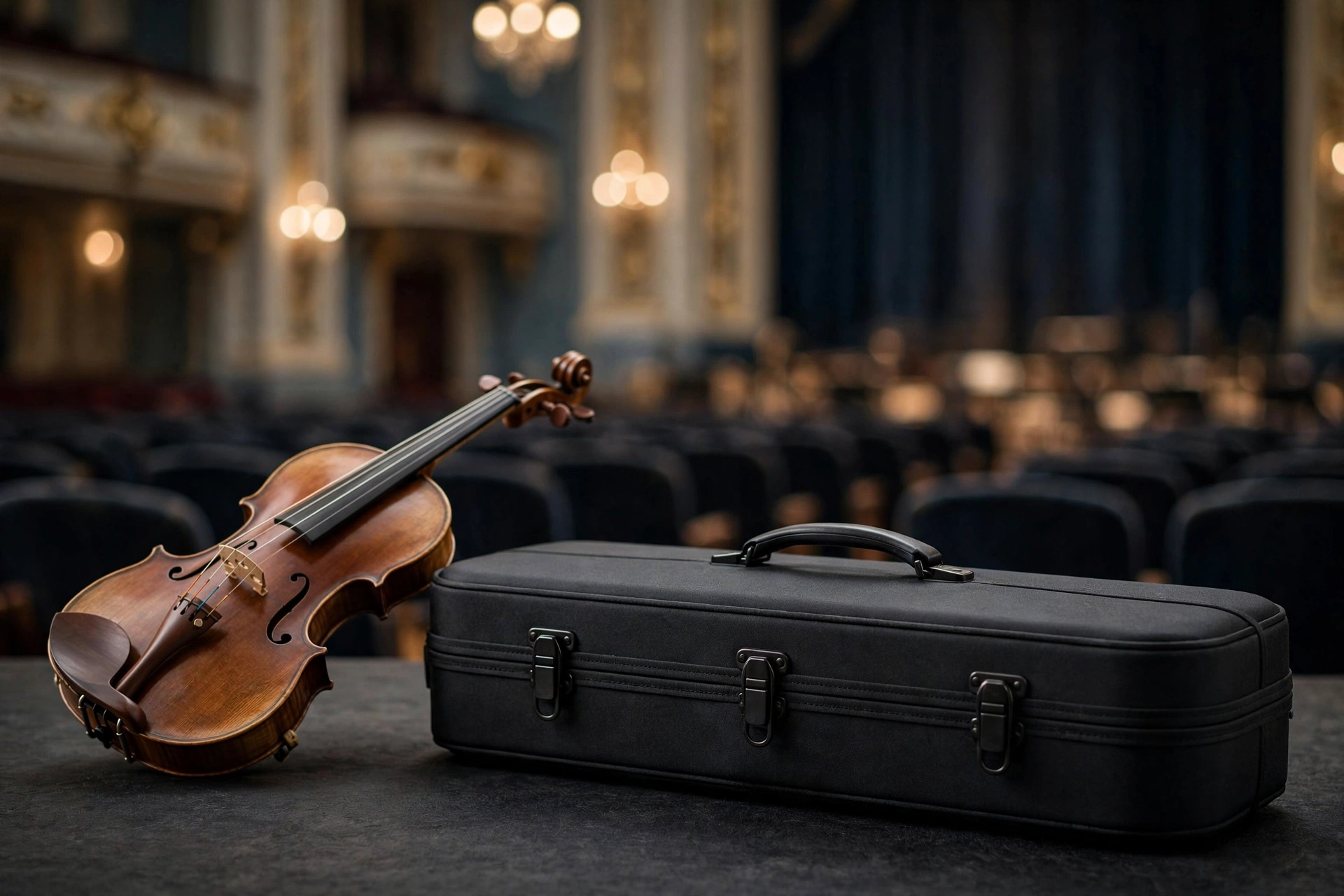
Violin concert
Black EVA · suspended bridge · classical
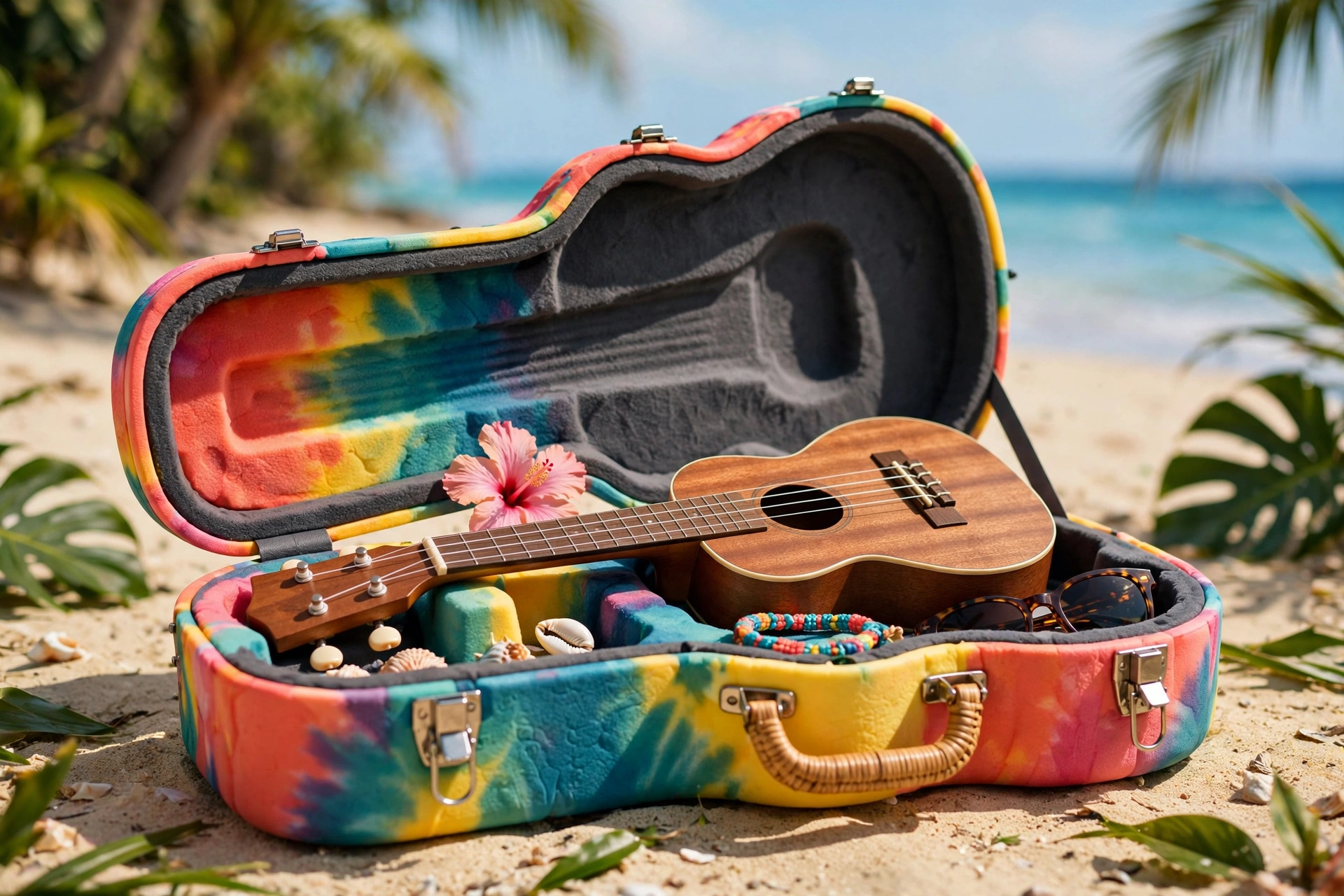
Ukulele beach
Colorful · compact · giftable
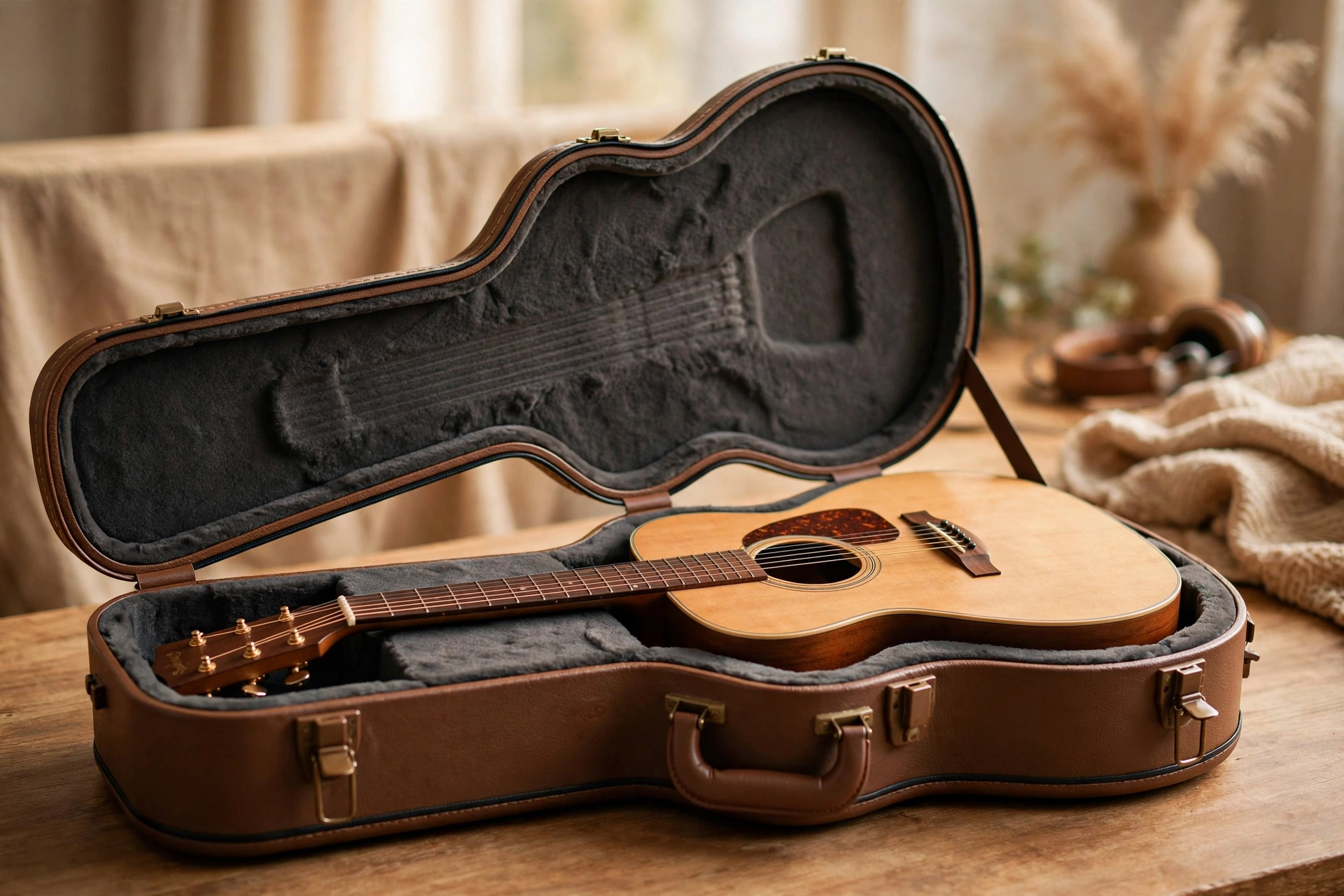
Acoustic guitar
Brown EVA · deep body · warm
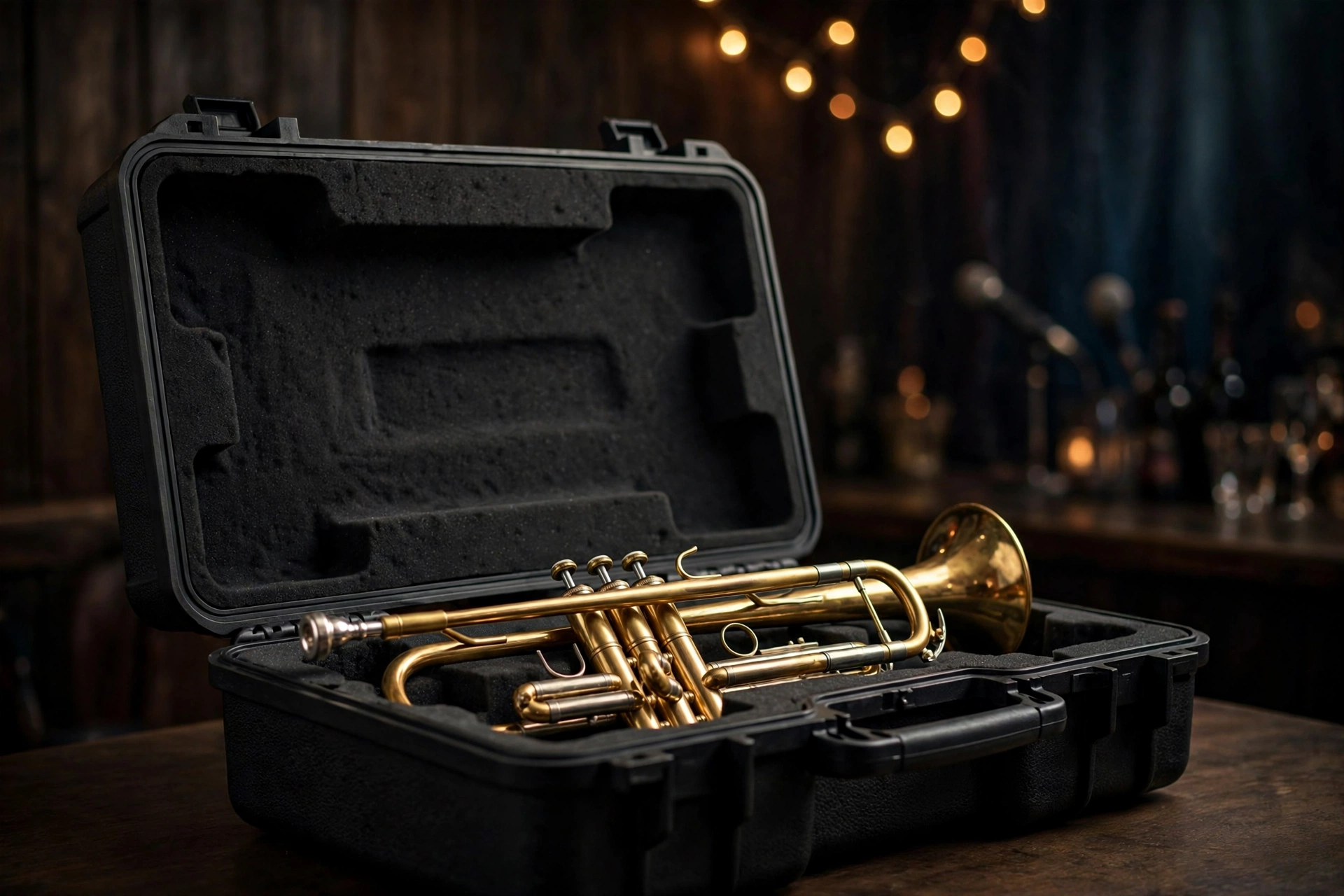
Trumpet jazz
Black EVA · brass bed · moody
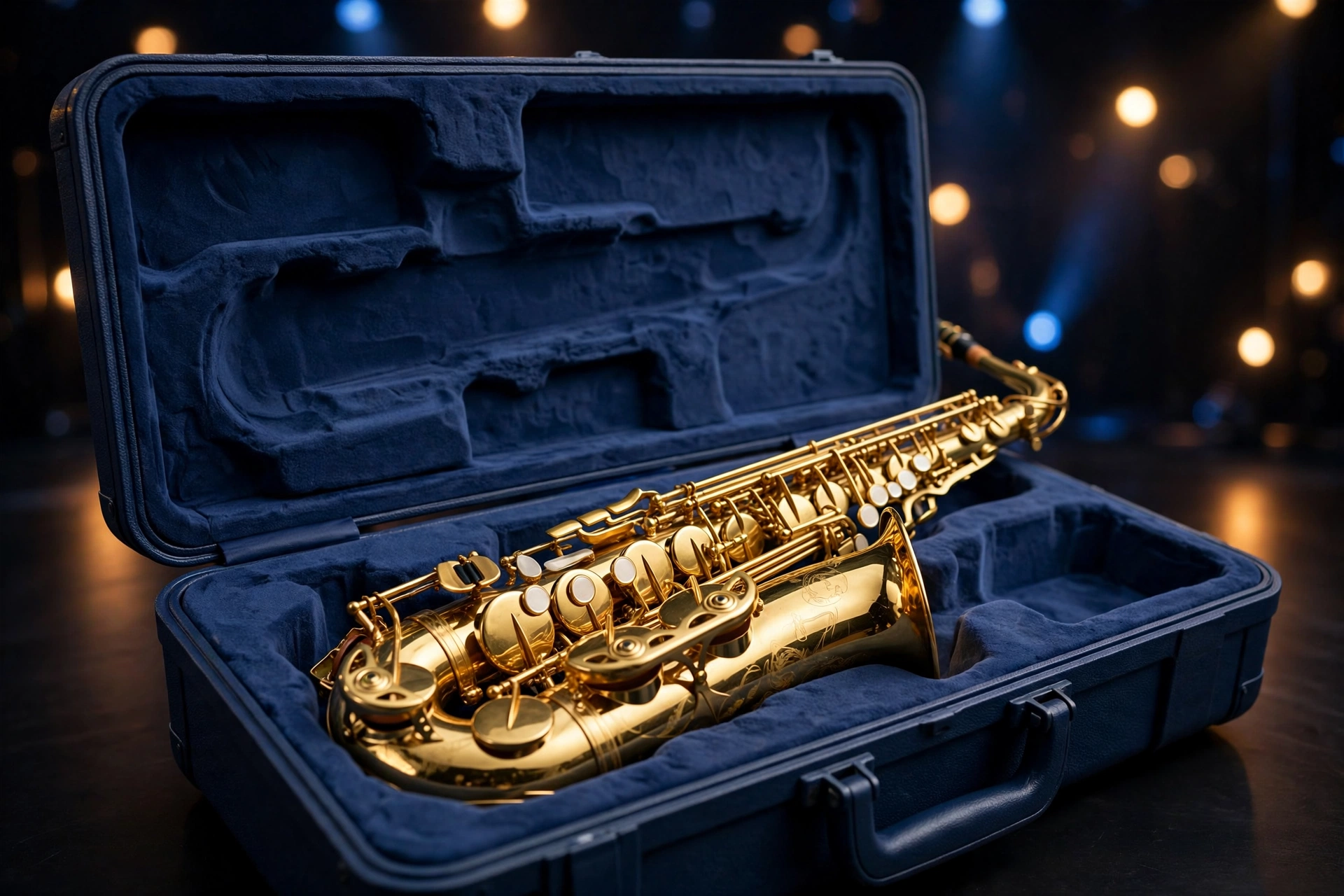
Saxophone stage
Deep blue · contoured · premium
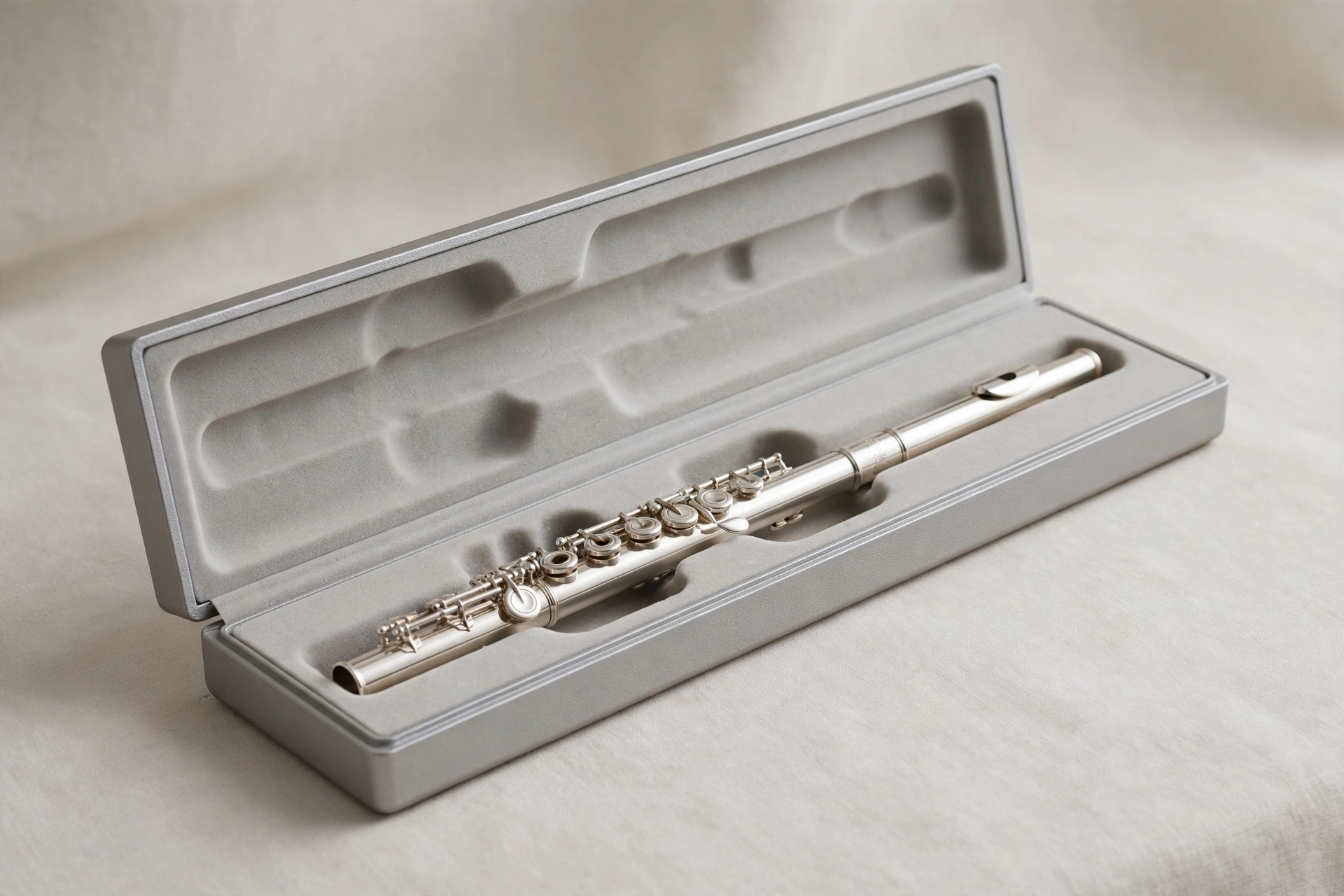
Flute slim
Silver-gray · slim · elegant
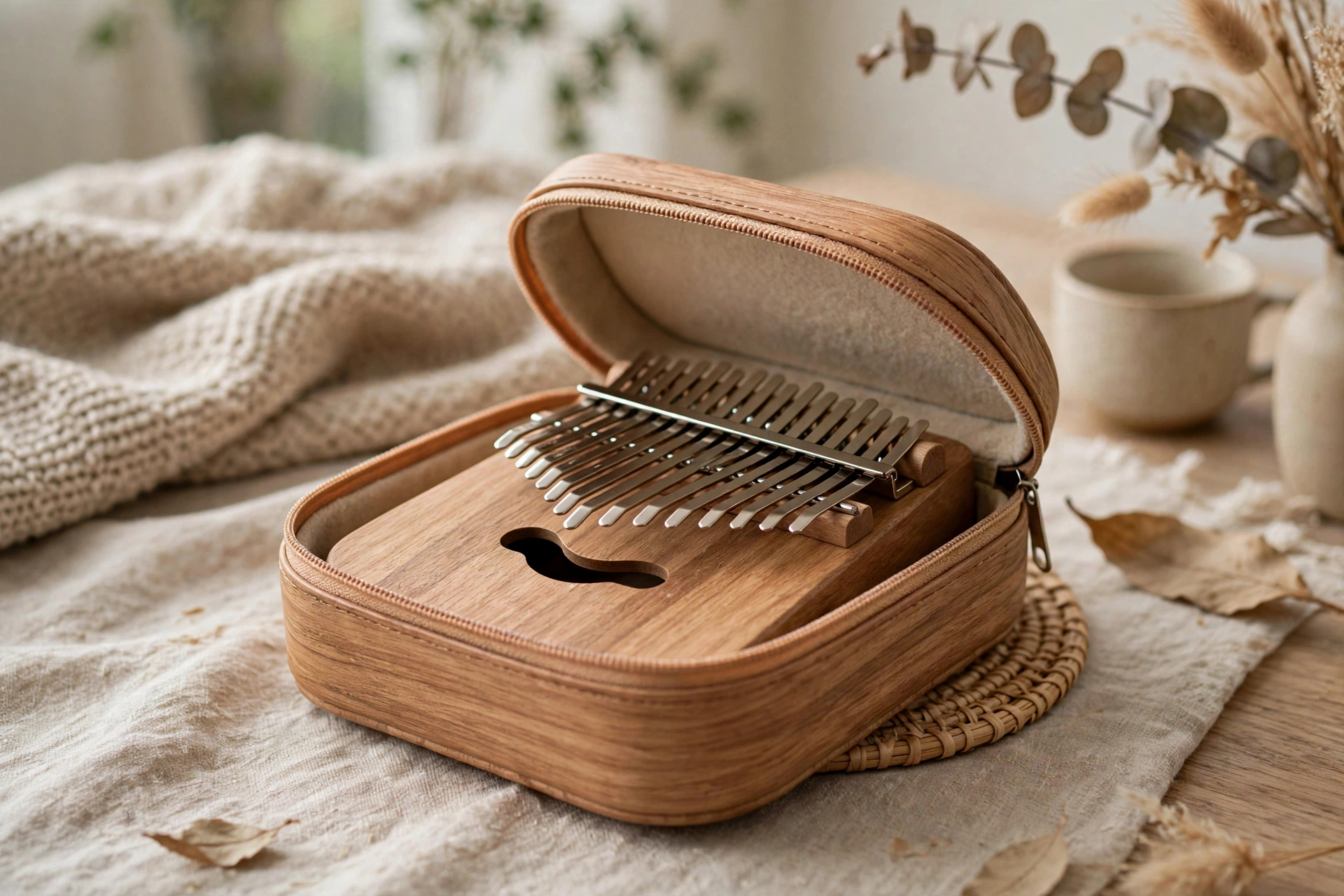
Kalimba pouch
Wood-look · compact · trending
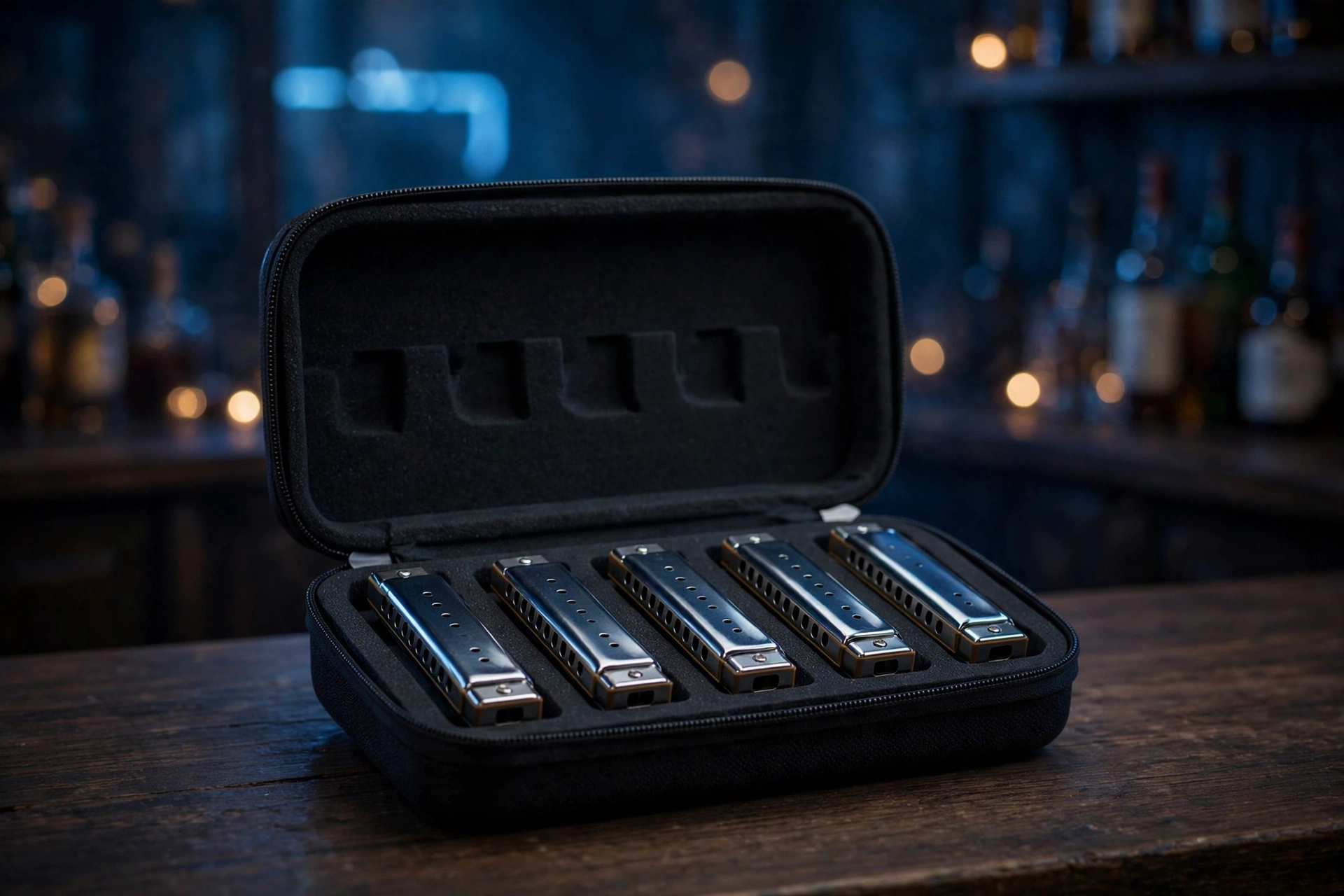
Harmonica blues
Multi-slot · compact · moody
You don't need to know packaging.
Just tell us about your product.
Three questions about your instrument, its travel, your brand — then we prescribe the shell it deserves.
What decides your case price.
We don't hide behind "contact for quote." Here are the four levers — tell us where you stand on each and the quote writes itself.
Case size & instrument
Bigger shell, more material, more freight. A cavity molded to your instrument's body — not a generic box — is the cheapest freight you'll ever pay.
Mold complexity
Suspended bridge recesses and bow spinners cost more than a plain pouch — and protect what a pouch would break.
Climate & finish
Hygrometers, plush linings, debossed logos, custom colors — each is a shelf signal with a price. We spec the finish to your price tier.
Quantity
Custom starts at 1,000 pcs. Unit cost falls as volume rises — tooling is amortized, not repeated.
Five questions to ask any EVA factory.
Including us. Take this list to every supplier you evaluate — the answers tell you who actually engineers the fit.
- 1 · How do you protect the bridge?
- Good answer: a suspended recess — the bridge touches nothing in transit, strings stay tensioned. Red flag: "the foam holds it snug."
- 2 · Is the cavity molded to our instrument?
- Good answer: yes — we mold from your sample or specs; violin, ukulele and brass each get their own cavity. Red flag: "one size fits most."
- 3 · What holds the bows?
- Good answer: locking spinners, suspended above the lining — bows never rattle, tips never touch the lid. Red flag: "there's a pocket for them."
- 4 · How do you handle humidity?
- Good answer: sealed EVA shell plus an embedded hygrometer — swings stay buffered and watched. Red flag: "wood is tough."
- 5 · Will the lining mark the varnish?
- Good answer: plush, non-abrasive lining — tested against varnish for micro-scratches. Red flag: "EVA doesn't mark anything."
Numbers, not adjectives.
- Custom MOQ
- 1,000 pcs — real custom work starts here
- Sampling
- ~7 days — physical sample in your hands
- Mass production
- 15–25 days after sample approval
- Monthly capacity
- 100k+ pcs across 3 production lines
Asked by instrument brands
An EVA violin case is a hard-shell protective case made from molded EVA foam, with a body cavity that suspends the bridge, spinner holders for bows, and compartments for rosin, strings and accessories — the instrument never takes pressure where it can't.
The body cavity is molded so the bridge hangs over a recess — it touches nothing in transit. The strings stay tensioned, the setup stays true.
An embedded hygrometer watches the microclimate, and the sealed EVA shell buffers swings — varnish and wood stay stable between climates.
Violin, viola, ukulele, guitar, trumpet, saxophone, flute, kalimba and more — each molded to the instrument's body from your specs or sample.
Typically 1,000 pcs. Samples in ~7 days, production 15–25 days after your approval.
Send us your product.
We'll make it worth more.
Your instrument or specs — engineering feedback and a quote within 24 hours.
info@hcdcase.com